
Buildings
Every Build and Conquer building explained: housing, shops, factories, power plants, water networks and civil defense structures with placement and upgrade advice.
Introduction
Every district in Build and Conquer is a building decision. Housing feeds population, commerce feeds income, industry feeds the war machine, and civil defense decides whether any of it survives a raid. The building catalog spans residential blocks (mid-rise apartments and suburbs), commercial anchors (supermarkets and malls), industrial producers (factories and power plants), utilities (water networks) and military infrastructure (military bases, bunkers, air raid sirens). Placement matters as much as selection: compact residential grids share water and power coverage efficiently, industrial zones push pollution and blast risk away from housing, and every structure needs road access or it sits idle. This page breaks down what each building family does, which ones carry a nation through the V0.1 beta, and how to sequence construction so the treasury never stalls between growth phases.
Building Family Quick Reference
| Building | Type | Role | Stage |
|---|---|---|---|
| Mid-rise Apartment | Residential | Primary population engine (~32 pop, ~48 upgraded) | Early–late |
| Supermarket | Commercial | Reliable early-mid income | Early–mid |
| Mall | Commercial | Top-tier treasury anchor | Mid–late |
| Factory | Industrial | Steel and vehicle production | Mid–late |
| Nuclear Power Plant | Energy | Late-game grid for heavy industry | Late |
| Bunker + Air Raid Siren | Civil defense | Softens incoming attacks on citizens | Mid–late |
Key Buildings Deep Dive
Mid-rise Apartment
Population engine of every nation
Mall
Highest-value commercial anchor
Supermarket
Workhorse income for the mid-game
Factory
Steel, vehicles and the war machine
Nuclear Power Plant
Late-tier energy for heavy industry
Bunker & Air Raid Siren
Civil defense insurance
Core Mechanics
Buildings in Build and Conquer interlock through four resources: population, workers, power and money. Residential structures generate population; population staffs commercial and industrial buildings and expands the tax base; commercial buildings convert staffing into treasury; industrial buildings convert power and raw materials into steel and vehicles; power plants keep every other category running. Civil defense structures protect the population layer itself, because rebuilding housing after a strike is the most expensive recovery loop in the game. Construction also competes for land and road capacity, which is why grid discipline — roads planned before buildings, utility coverage stretched in straight runs — is a mechanical advantage, not just aesthetics. City level gates add a final layer: several advanced structures stay locked until population thresholds and level upgrades open them, tying the building catalog directly to the progression tree.
Advantages
A well-planned building layout compounds. Compact apartment clusters maximize population per unit of water and power coverage; commercial anchors placed against those clusters staff instantly; industrial zones sit far enough away to be targeted without taking the housing core with them. The V0.1 catalog also rewards specialization: mid-rise apartments are efficient enough to carry population alone, malls and supermarkets split income across two risk profiles, and factories open the vehicle line that raw economy never could. Civil defense structures cost a fraction of what they protect — a siren-and-bunker pair inside a housing block routinely saves more population than another apartment would have added. Players who treat buildings as an interlocked system rather than a shopping list reach city levels faster and lose less to the first raid.
Challenges
The building system punishes improvisation hard. Retrofitting utilities through a finished district is expensive, idle buildings still drain maintenance, and misplaced industrial zones drag blast risk into housing. Several key numbers — apartment population values in particular — come from community reports rather than official datamining, and beta patches have already shifted resource acquisition in ways that ripple through factory planning. Land is also finite relative to ambition: late-game nations need space for nuclear power, military bases and interceptor layers, and districts built without expansion corridors force painful relocations. Finally, every high-value building is a missile target. The stronger your economic core, the more you need air defense — buildings alone cannot defend the treasury that built them.
Frequently Asked Questions
Which building should I place first?+
How many apartments do I need for city level 2?+
Should I cluster building types or mix them?+
When do I need a nuclear power plant?+
Quick Tips
Plan roads before buildings, every time. A grid laid down first lets every later structure snap into utility coverage; retrofitting roads through finished districts wastes land, money and patience. Ten minutes of planning saves an hour of rework — sketch blocks, run water and power along the same lines, and leave expansion corridors for the level-5 infrastructure you will need later.
Keep housing, commerce and industry in separate contiguous zones, each with dedicated utility runs. Residential clusters maximize population density, commercial strips staff instantly, and industrial zones stay far enough from housing that a raid on the factory does not wipe your citizens. The separation also keeps blast risk, pollution and missile targets away from the population that funds everything.
Treat every high-value building as a future missile target. Malls, factories, military bases and nuclear plants deserve air defense coverage the day they open. The cost of one interceptor layer is almost always less than rebuilding the structure it protects — and unlike units, lost buildings take construction time you can never get back mid-war.
Featured
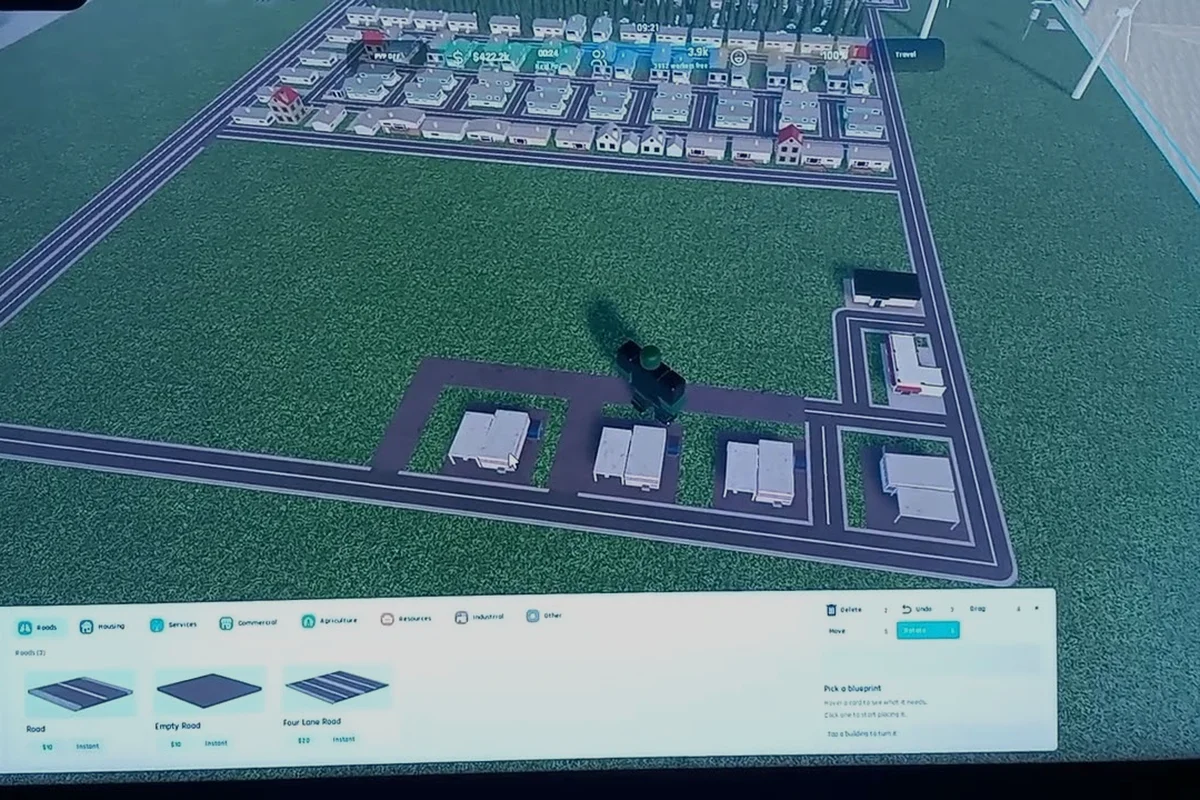
Build and Conquer Building List: Every Structure Explained
Browse the full Build and Conquer building list with population, cost, and purpose for every residential, commercial, and military structure in the game.
Build and Conquer Fastest Buildings to Build: Cheap & Quick
Find the fastest buildings to build in Build and Conquer, from cheap suburban houses to mid-rise apartments that boost population and revenue in the V0.1 beta.
Build and Conquer Grid Layout: Roads, Zones & Spacing
Master the Build and Conquer grid layout by spacing roads, zoning housing clusters, and aligning utilities so power and water reach every plot in your beta city.
All Articles
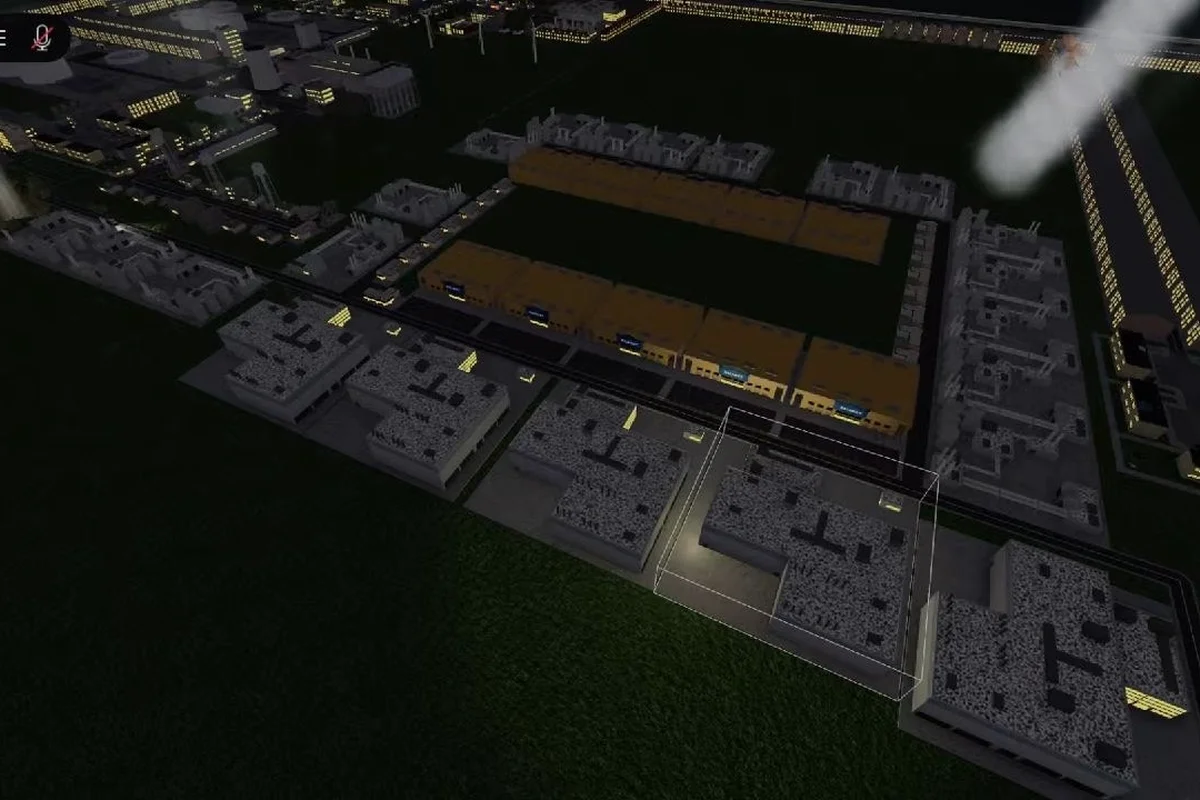
Build and Conquer Housing Buildings: Population & Layout
Compare Build and Conquer housing buildings by population output, road placement tips, and the best residential picks to hit the 250-population milestone.
Build and Conquer Building Requirements: Levels & Cost Chart
Break down every Build and Conquer building requirement, including city level gates, resource costs, and power needs for each V0.1 beta structure.
Build and Conquer How to Unlock Buildings: Level & Queue Tips
Learn how to unlock buildings in Build and Conquer by clearing city level gates, finishing construction queues, and meeting each structure's tier requirements.
Build and Conquer Power Plant Guide: Nuclear & More
Master the Build and Conquer power plant guide, from early grids to the Nuclear Power Plant that fuels factories, bunkers, and late-game military bases.