
Strategy
Build and Conquer war strategy: air defense stacks, tunnel deployments, timing attacks, alliance play and how to defend your cities under missile pressure.
Introduction
Winning fights in Build and Conquer is about timing, positioning and counters — not just unit mass. The V0.1 meta crystallized around a few durable principles: stack air defense before anything else, scout with cheap units or HIMARS before committing your main force, move troops through tunnels for speed and surprise, strike opponents who lack anti-air or anti-missile cover, and hold captured ground with bunkers plus continuous production. Diplomacy layers on top: alliances shape server power balances, and every pact exists under the shadow of betrayal. This page organizes those principles into actionable tactics — opening moves, attack timing, defense in depth, siege practice and war-economy balance — so your nation punches above its treasury weight in every server it joins.
Tactic Board: When To Use What
| Tactic | When To Use | Hard Counter |
|---|---|---|
| Air defense stack | Always on; core first | Missile saturation + Hypersonic |
| Tunnel push | Fast mainland grabs | Scouted exits + artillery |
| HIMARS probe | Pre-attack scouting | Dispersed, covered assets |
| Un-defended strike | vs. greed economies | Early interceptor investment |
| Hold with bunkers | After territory capture | Sustained missile pressure |
Core War Principles
Layered Air Defense
Survive first, win second
Tunnel Deployment
Mainland speed and surprise
Punish the Undefended
Greed economies are targets
Hold What You Take
Capture is step one
War-Economy Balance
The war your treasury can finish
Core Mechanics
Strategy in Build and Conquer resolves across three time horizons. The opening: housing and economy first, military pivot at level 2, interceptor skin before offense — deviating from this order gambles the entire curve. The mid-game: tunnel mobility and HIMARS-driven scouting define tempo; air defense depth decides which nations are targetable; alliance structure shapes who can be attacked profitably. The siege: missile saturation against layered interception, followed by ground holds with bunkers and production reinforcement. Under all three sits the war economy — upkeep, steel, fuel and treasury buffer — because every tactical option costs gold per tick. The unifying principle is defense-in-depth economics: build so that a lost battle is recoverable, then take the fights your production can sustain. Server politics modulate everything; the mechanically strongest nation loses to a coordinated three-nation alliance every time it forgets to diplomacy.
Advantages
Strategic play multiplies every raw resource a nation has. Correct air defense layering turns an exposed economy into a fortified core that funds everything else; tunnel tempo converts defensive wins into territorial gains before opponents reinforce; punishing greed economies snowballs small advantages into server control. The tactics available in the V0.1 meta are also unusually countable — for every move (missile saturation, drone spam, tank columns) a documented counter exists, so knowledge compounds like economy does. Diplomatic play adds leverage no building can buy: coordinated alliance strikes delete threats that solo nations cannot touch, and the credible reputation of a well-defended, well-funded nation deters attacks entirely. Players who internalize the principles on this page consistently win servers against wealthier but unstructured opponents.
Challenges
Strategic doctrine has real failure modes. Over-defensive play bleeds tempo — interceptor stacks do not conquer mainland positions, and pure turtles get out-expanded by aggressive boomers who take the map first. Alliance dependence creates betrayal exposure; the coordinated strike that wins a war can reverse against you the moment interests shift. Meta drift: the V0.1 tactics here rest on current interception behavior, drone balance and fuel costs, all of which the beta has already shown willingness to patch. Information gaps hurt too — HIMARS scouting and drone probes punish nations that cannot read their own defense coverage. And the deepest trap is economic overreach: winning battles while starving the treasury produces a nation holding ground it cannot garrison, funding an army it cannot maintain, one patch or one raid from collapse.
Frequently Asked Questions
What is the best strategy for beginners?+
How do I attack without losing my economy?+
Are alliances worth it?+
What do I do under constant missile pressure?+
Quick Tips
Air defense before offense, always. The interceptor stack over your malls and factories is the foundation every offensive plan stands on. Scout your own coverage the way an enemy HIMARS operator would, and close the gaps they would see first. A nation that can survive one full salvos worth of missiles can afford to start wars of its own.
Scout before you commit. Drones and HIMARS probes reveal interceptor coverage and unit positions cheaply; attacking blind into prepared defense is how winning economies lose wars. Five seconds of scouting beats five waves of losses. Mark the soft spots the probe exposes, aim your main force there, and keep the rest of the army home until the picture is clear.
Fight wars your treasury can finish. Wave-based funding, unbroken interceptor maintenance and preserved upgrade cash flow beat all-in pushes every time — the server forgives a lull, but it does not forgive an empty account. Before each offensive, price the campaign in upkeep and replacement cost; if the number scares you, rebuild for one more cycle instead.
Featured
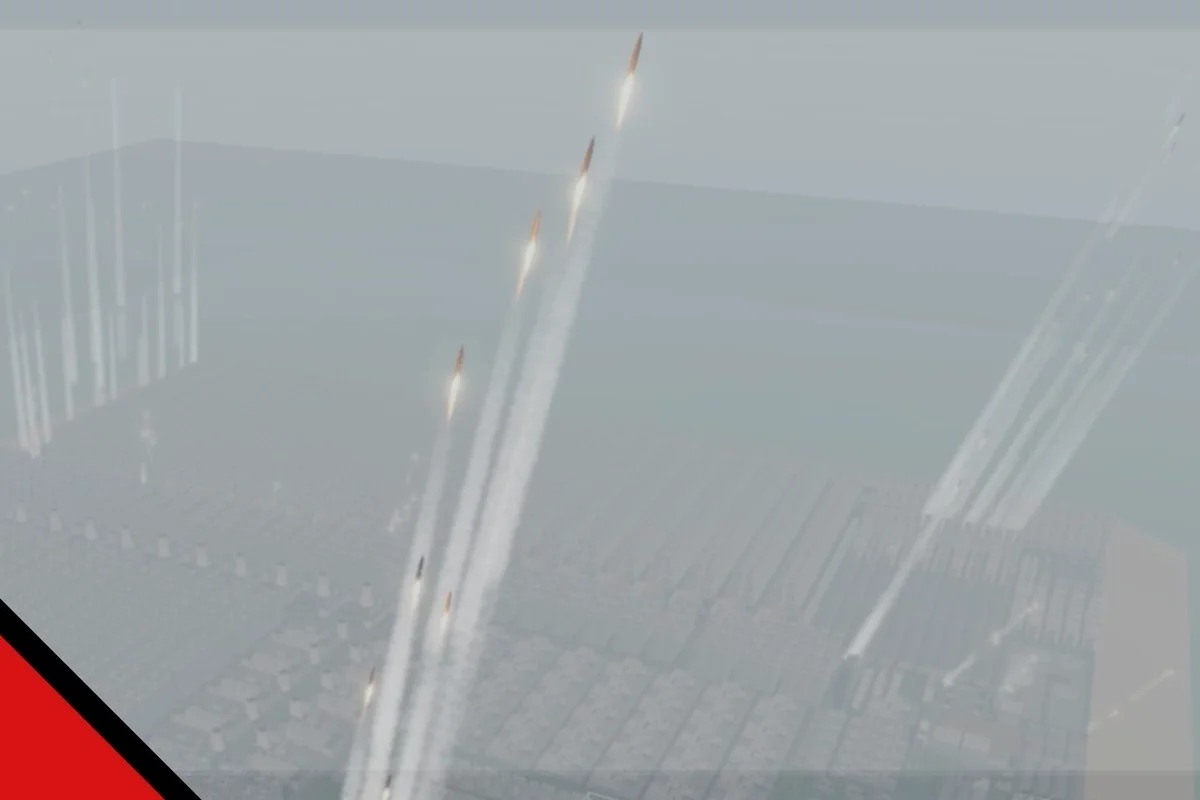
Build and Conquer Anti Air Placement Strategy for Bases
Plan your anti air placement strategy in Build and Conquer with bunker positions and coverage zones that shut down enemy bombers and drones during the V0.1 beta.
Build and Conquer City Defense Layout With Bunker Rings
Design a Build and Conquer city defense layout with bunker placement, anti-air coverage, and missile spots that protect your V0.1 beta base from enemy strikes.
Build and Conquer Conquer Strategy: Territory & Resource Denial
Learn a Build and Conquer conquer strategy that holds captured ground with bunkers, cuts enemy resources, and forces rival nations into submission in the V0.1 beta.
All Articles
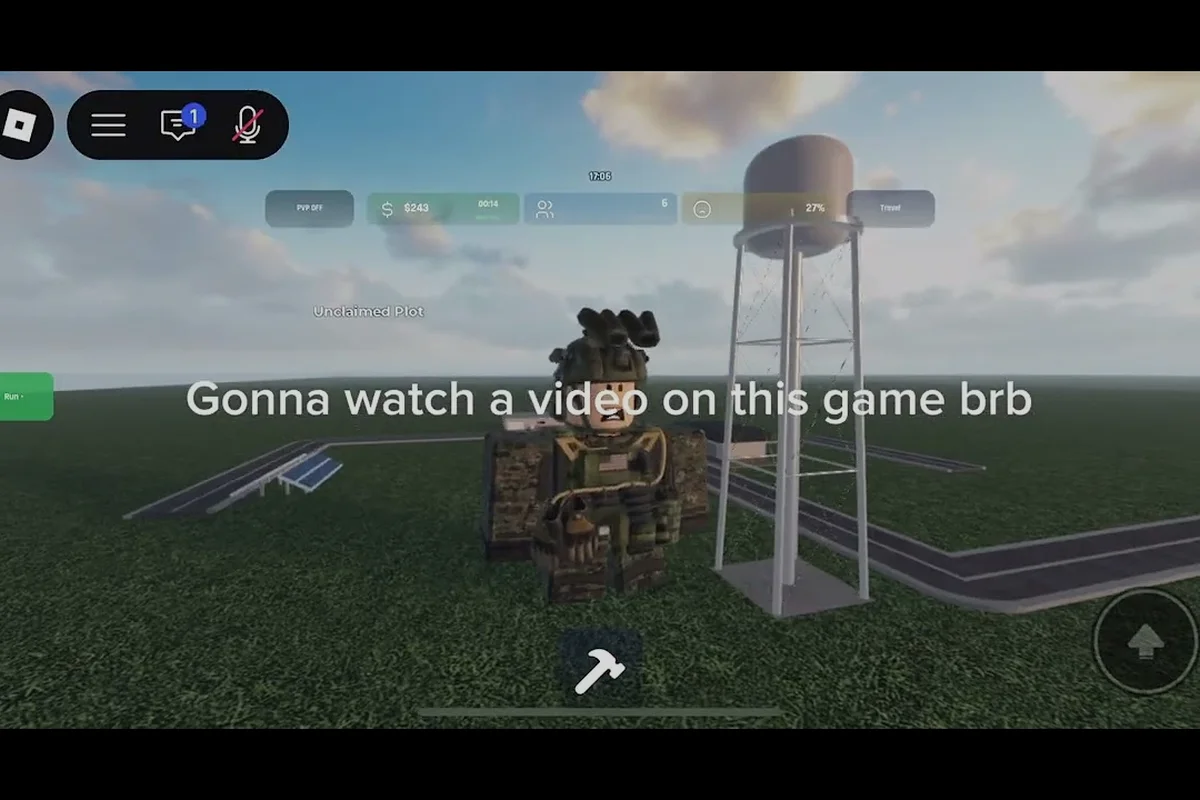
Build and Conquer Strategy Guide: Win Wars in the V0.1 Beta
Master the Build and Conquer strategy guide playbook for V0.1 beta wars, from stacking air defense and scouting with HIMARS to striking when enemy cover drops.
Build and Conquer Surprise Attack Guide: Raids & Combined Arms
Plan a Build and Conquer surprise attack guide with drone raids, tank pushes, and combined-arms timing that breaks enemy defenses in the V0.1 beta.
Build and Conquer Team Strategy: 1v1, Frontlines & Endgame Tips
Coordinate a Build and Conquer team strategy with frontline defense, war economy balance, and city siege tactics that win 1v1 duels and team wars in the V0.1 beta.
Build and Conquer Military Tactics: Tunnels & Chokepoints
Learn Build and Conquer military tactics with tunnel invasions, chokepoint defense, and combined-arms strikes that break enemy cities in the V0.1 beta.