
Military
Build and Conquer military guide: soldiers, squadrons, tanks, drones, HIMARS and vehicle production, plus army composition and deployment basics.
Introduction
The military tree in Build and Conquer opens at city level 2 and defines every relationship after it. Soldiers unlocked behind the 250 population gate form the infantry backbone — eight guns produce one squadron — while tanks, drones and HIMARS vehicles escalate the firepower available once factories and research catch up. A military base is the production hub required before any vehicle or missile work, and the whole apparatus runs on upkeep that the economy must continuously feed. This page covers unit roles, squadron conversions, unlock sequencing, army composition basics and the deployment mechanics (tunnels to the mainland) that turn a defensive garrison into a projecting force. Whether you are building your first squadron or your fifth drone wing, the goal is the same: a force your treasury can sustain and your air defense can protect.
Unit Roster Quick Reference
| Unit | Unlock | Role | Notes |
|---|---|---|---|
| Soldiers | City level 2 | Infantry backbone | 8 guns = 1 squadron |
| Tanks | Vehicle production era | Ground push force | Core of mainland advances |
| Drones | Recent-update focus | Fast air option | Quick strikes, low commitment |
| HIMARS | Advanced research | Long-range artillery | Scout and punish movement |
| Military Base | City level 2+ | Production hub | Required for vehicles & missiles |
Unit Deep Dives
Soldiers
First soldiers of the nation
Tanks
Core ground force
Drones
Fast air option
HIMARS
Long-range probe and punish
Military Base
Production hub of the war machine
Core Mechanics
Military production in Build and Conquer is a staged pipeline. The military base unlocks the pipeline at city level 2, converting industrial output into fighting force: guns into squadrons (eight guns per squadron), steel and fuel into tanks and drones, research unlocks into HIMARS and eventually the missile line. Every unit carries upkeep, so force size is an economic expression as much as a tactical one. Deployment runs through tunnels — the mechanism for moving troops from your island economy to the contested mainland — and combat resolves through counters: anti-tank answers armor, air defense answers drones and missiles, combined arms overwhelms any single counter. Defense is a military problem too: interceptors, sirens and bunkers constitute the passive half of the force. The systems-level skill is keeping production, upkeep, logistics (fuel/steel) and defense in equilibrium while the composition of the army tracks what the server actually fields.
Advantages
Military force converts directly into map control in Build and Conquer. Mainland positions carry resources and strategic ground; a projecting army claims them before rivals do. The unlock ladder is also well-paced: squadrons give every nation a credible starting force at level 2, vehicles escalate into mid-game dominance, and HIMARS plus missiles define the late meta — each tier has a clear job rather than raw stat inflation. Combined arms depth rewards planning: artillery, air and armor used together beat any single unit mass, and tunnel mobility means defense can become offense in one move. Nations that keep production fed and upkeep sustainable find that even modest armies win through tempo — arriving first, striking supply, and holding what they take.
Challenges
Military systems fail along predictable seams. Upkeep spirals: every unit permanently drains treasury, and an army sized beyond the economy empties reserves and freezes construction. Logistics stall: tank waves without steel and fuel sit in base while opponents maneuver. Single points of failure: one military base, one production route, one tunnel exit — strike any of them and the whole pipeline halts. Counters are hard: drone spam dies to layered air defense, tank columns die to prepared anti-tank and HIMARS harassment. Beta volatility also hits here — drones received a balance pass in the V0.1 era, and missile interactions shift with every update. Finally, military power without economic skin is borrowed time: the nation that out-produces you replaces losses faster than you can inflict them.
Frequently Asked Questions
How do I unlock soldiers?+
Tanks or drones first?+
Why does my army bankrupt me?+
How do I move troops to the mainland?+
Quick Tips
Place the military base inside your air defense perimeter, near factories. It is the chokepoint of all vehicle and missile production — the first thing enemy missiles target and the one structure you cannot afford to rebuild mid-war. If you can afford interceptors for one building only, put them over the base and the supply feeding it.
Check steel and fuel reserves before every deployment wave. More armies have been defeated by empty fuel gauges than by enemy fire; mid-campaign logistics gaps strand tanks and strand wars. Count the reserves your planned route will burn, add a margin for retreats and reinforcements, then launch — not halfway across the mainland with the gauge already red.
Counter the server you are actually on. Drone-heavy neighbors warrant layered air defense; tank spammers warrant anti-tank positions and HIMARS harassment. Mirror-lists from other servers lose to local composition every time. Watch one full conflict cycle before committing your build, then buy the counters that punish what your neighbors keep fielding.
Featured
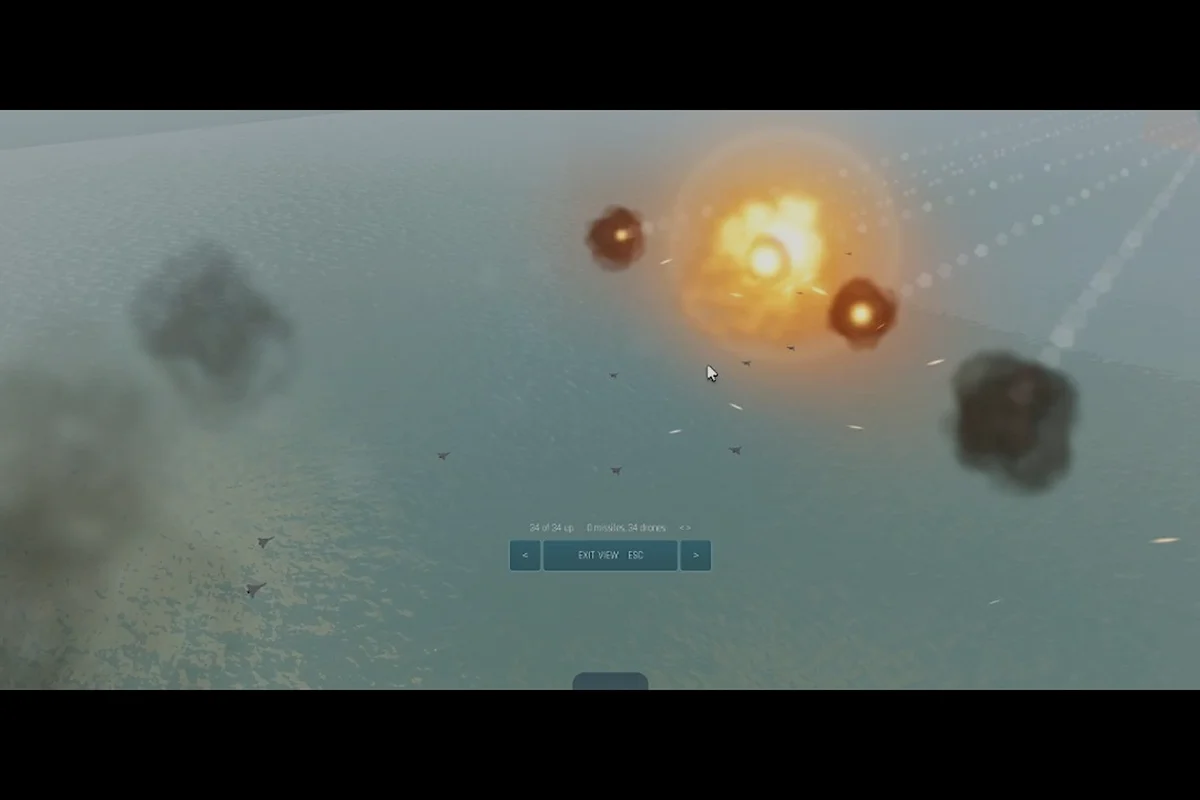
Build and Conquer Air Force Guide: Fighters, Bombers & Drones
Master the Build and Conquer air force guide with fighter squadrons, bomber unlock paths, and drone rush tactics that pressure enemy cities in the V0.1 beta.
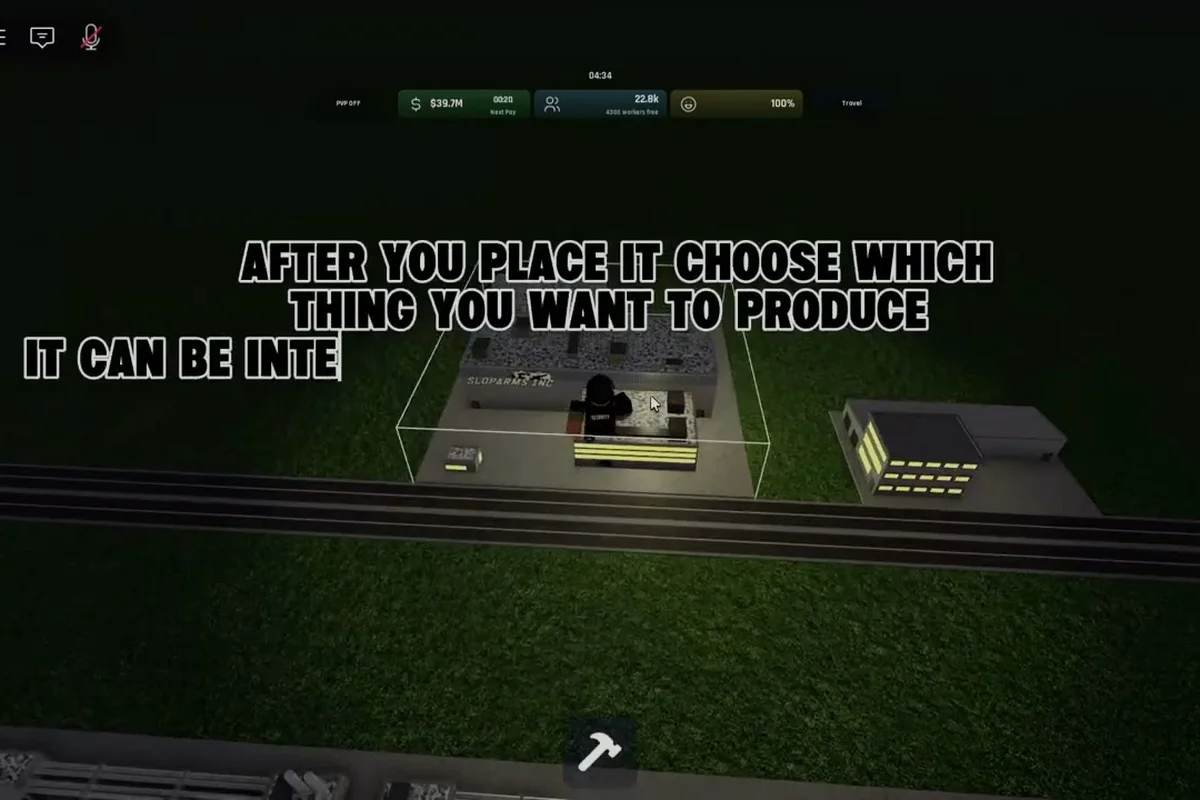
Build and Conquer Artillery Guide: HIMARS Range & Targeting Tips
Learn the Build and Conquer artillery guide basics, from HIMARS long-range shelling and ammo production to positioning that punishes enemy tanks and clusters.
Build and Conquer Drone Guide: HIMARS, Drones & Army Comps
Master the Build and Conquer drone guide with air tactics, HIMARS artillery, and army compositions that deploy troops and vehicles through tunnels in the V0.1 beta.
All Articles
Build and Conquer How to Counter Drones: C-RAM, Missiles & Tips
Learn Build and Conquer how to counter drones with C-RAM fire, interceptor missiles, and base layout tips that shut down swarms before they hit your city.
Build and Conquer Troop Limits: Cap, Upkeep & Army Size Tips
Understand Build and Conquer troop limits, how upkeep and city level raise your army cap, and where to spend production so every slot counts in the V0.1 beta.
Build and Conquer Military Guide: Soldiers, Tanks & Squadrons
Unlock the Build and Conquer military at city level 2, raise eight-gun squadrons, field tanks, and learn how to start producing guns and vehicles in the V0.1 beta.
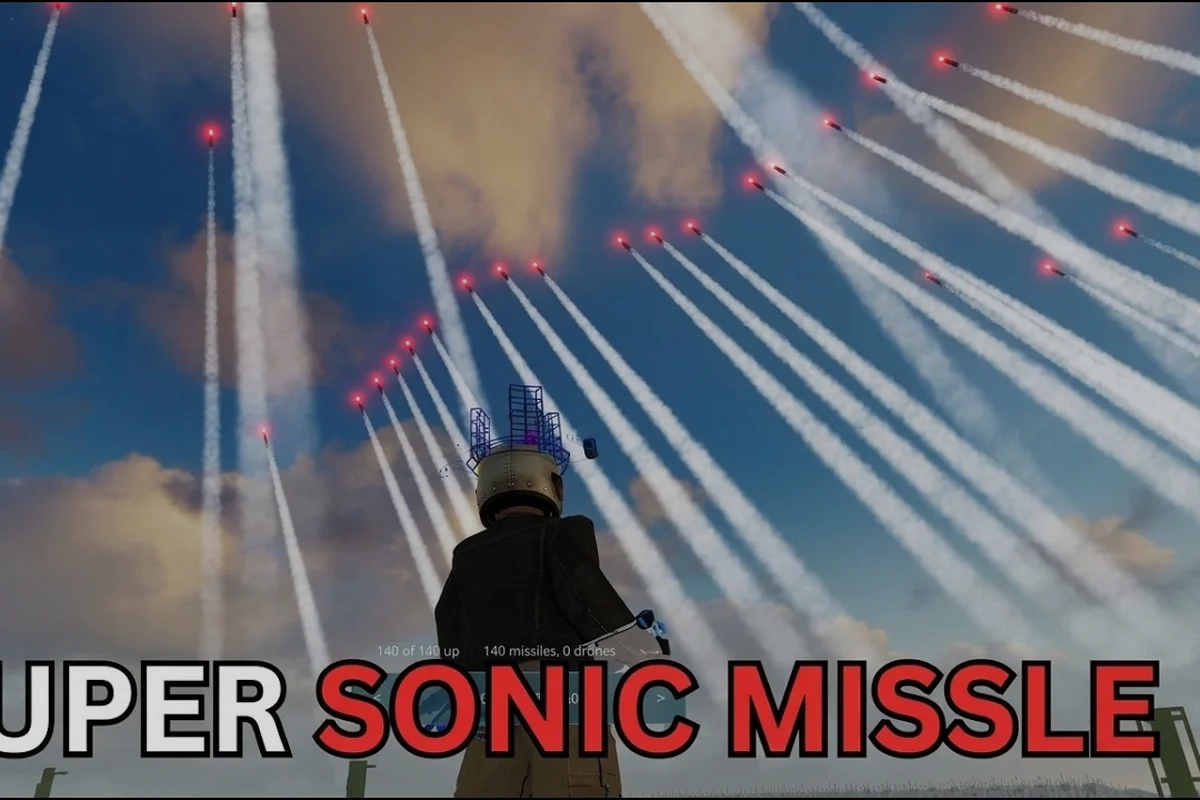
Build and Conquer Unit Unlock Order: Soldiers to Hypersonic
Learn the Build and Conquer unit unlock order from soldiers and tanks through HIMARS, drones, and the Hypersonic BM, so your army is always ready to strike.